

Quick Answers





Which Chip Formation Is Best for Lathe Machining?
- July 28, 2025
- Jason Chang
- 3:42 am
When it comes to lathe machining, one of the key factors that can significantly impact the quality of the final product is chip formation.
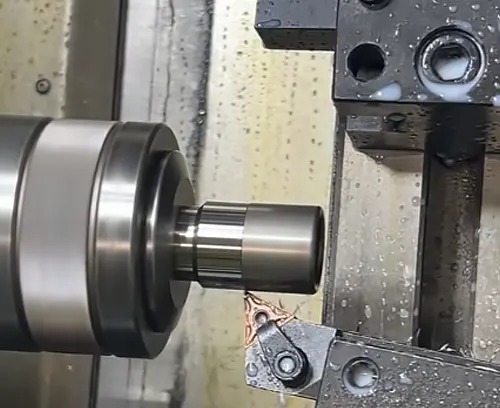
Chip formation refers to the process of removing material from a workpiece in the form of chips, which are produced when a cutting tool comes into contact with the workpiece material.
The way in which chips are formed during lathe machining can have a direct impact on the surface finish, tool life, and overall efficiency of the machining process.
Therefore, understanding the different types of chip formations and their effects is crucial for engineers in the manufacturing industry.
Types of Chip Formations
Three main types of chip formations can occur during lathe machining: continuous chips, discontinuous chips, and built-up edge chips.
Each type of chip formation is characterized by its own unique characteristics and properties, which can have varying effects on the machining process.
Continuous Chips
Continuous chips are long, continuous strands of material that are formed when the cutting tool shears the workpiece material in a smooth, uninterrupted manner.
These chips are typically produced when machining ductile materials such as aluminum or copper, where the material has a tendency to deform rather than fracture.
These chips are easy to handle and dispose of, making them ideal for high-speed machining operations.
Discontinuous Chips
These chips, also known as segmented chips or saw-tooth chips, are formed when the cutting tool intermittently shears the workpiece material, resulting in short, broken chips.
Discontinuous chips are commonly seen when machining brittle materials such as cast iron or ceramics, where the material tends to fracture rather than deform.
While these chips can be more difficult to manage and dispose of compared to continuous chips, they are preferred in applications where chip disposal is not a major concern.
Built-Up Edge Chips
Built-up edge chips occur when material from the workpiece adheres to the cutting tool, forming a ridge along the cutting edge.
This can lead to poor surface finish, tool wear, and dimensional inaccuracies in the final product.
Built-up edge chips are commonly seen when machining sticky materials such as stainless steel or titanium.
To prevent built-up edge chips, it is important to use the appropriate cutting parameters and tool materials.
Factors Affecting Chip Formation
Several factors can affect chip formation during lathe machining, including cutting speed, feed rate, depth of cut, tool geometry, and workpiece material.
By adjusting these parameters, engineers can optimize chip formation to achieve the desired surface finish, tool life, and machining efficiency.
Optimizing Chip Formation for Lathe Machining
For engineers in the manufacturing industry, optimizing chip formation for lathe machining is essential for achieving high-quality parts with minimal waste and downtime.
By understanding the different types of chip formations, their effects, and the factors that influence them, engineers can make informed decisions when selecting cutting parameters and tool materials.
Ultimately, by optimizing chip formation, engineers can enhance the overall efficiency and productivity of the lathe machining process.
Conclusion
Chip formation plays a critical role in the success of lathe machining operations.
By understanding the different types of chip formations, their effects, and the factors that influence them, engineers can optimize the machining process to achieve high-quality parts with minimal waste and downtime.
By taking a proactive approach to chip formation, engineers can maximize the efficiency and productivity of lathe machining, ultimately leading to better results for their manufacturing operations.